NAMTECH University Campus

Ahmedabad, Gujarat, India

Reinterpreting the Gurukul Ethos for a Contemporary Campus

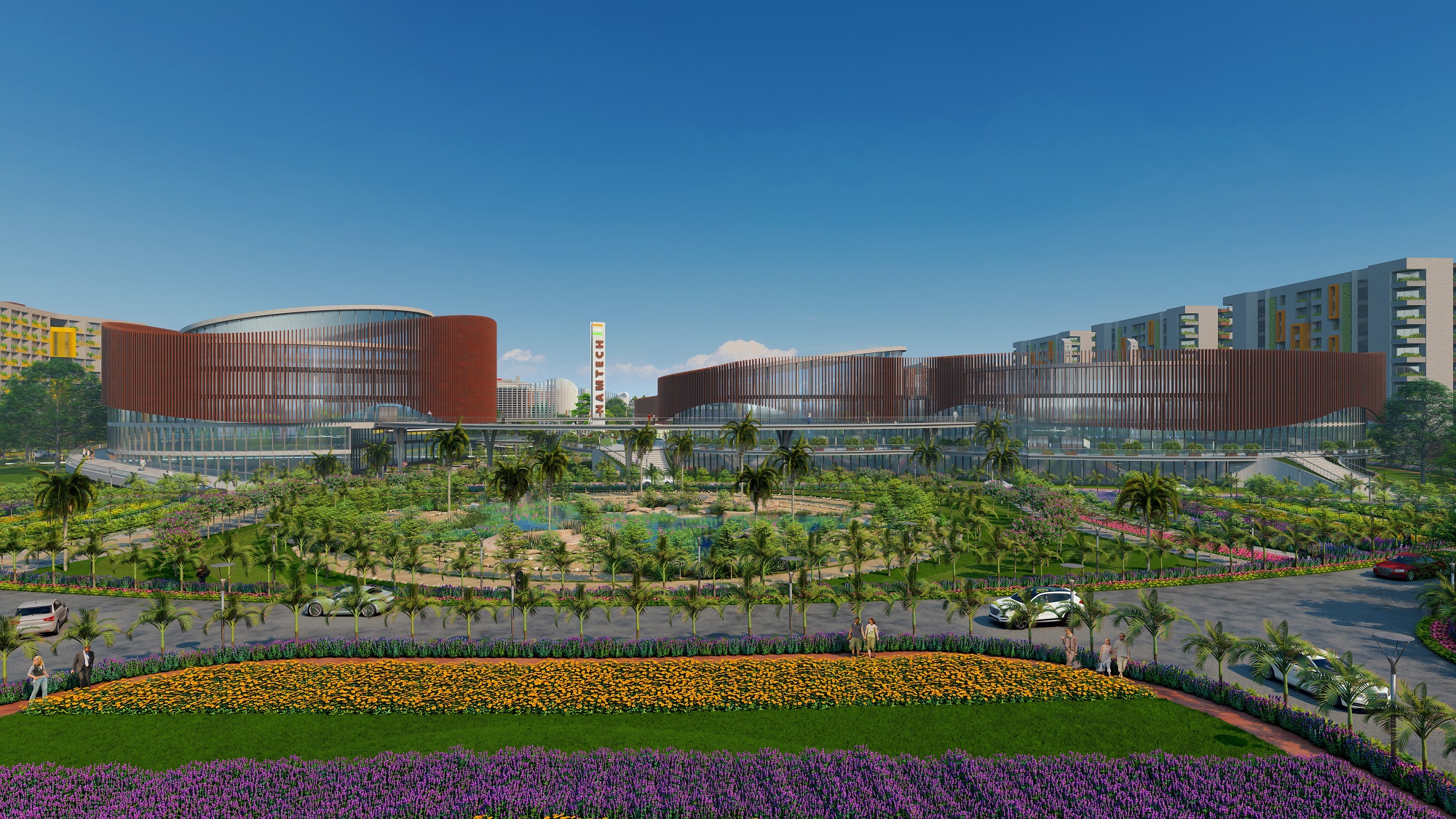
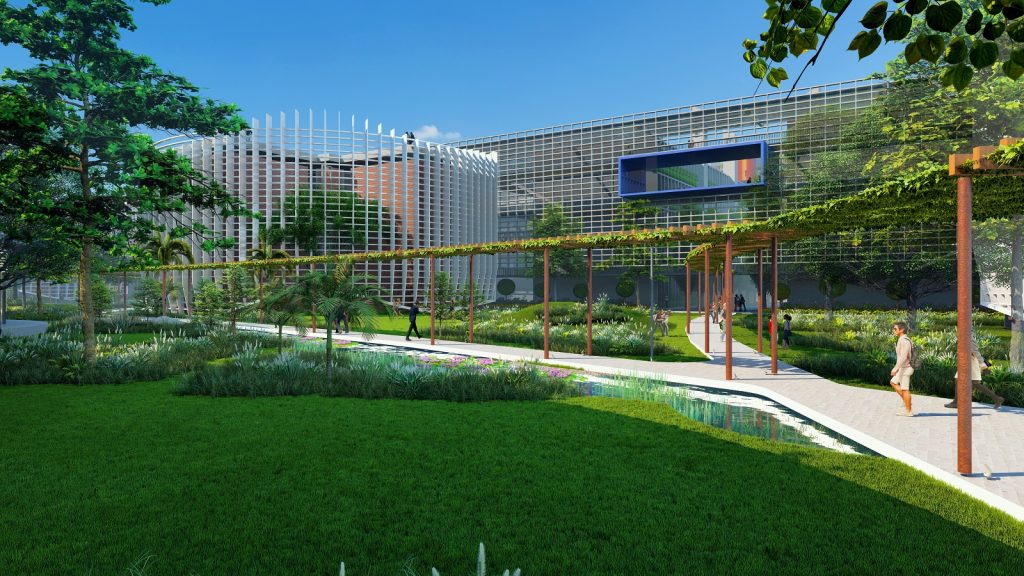
In the ancient Gurukul tradition of India, learning extended beyond formal instruction and unfolded through dialogue, observation, and shared experiences where education was not confined to enclosed rooms but took place under trees, within courtyards, and across natural landscapes. Reinterpreting this ethos for a contemporary academic environment, the proposed NAMTECH (The New Age Makers Institute of Technology) campus in Ahmedabad is envisioned as a living ecosystem of knowledge where architecture and landscape together nurture intellectual curiosity. The planning framework balances formal academic spaces with open, informal environments, creating a setting where learning evolves through both structured study and spontaneous interaction.

Site Area : 150 Acres
Builtup Area : 65,55,427 SF
Services : Feasibility Study, Programming, Master Planning, Infrastructure Planning, Architecture Concept, Sustainability, Landscape Design concept
Collaboration : Atelier Dsync
Status: International Bid Entry

Share ►

Structure, Order, and Institutional Identity Shaping the Academic Framework

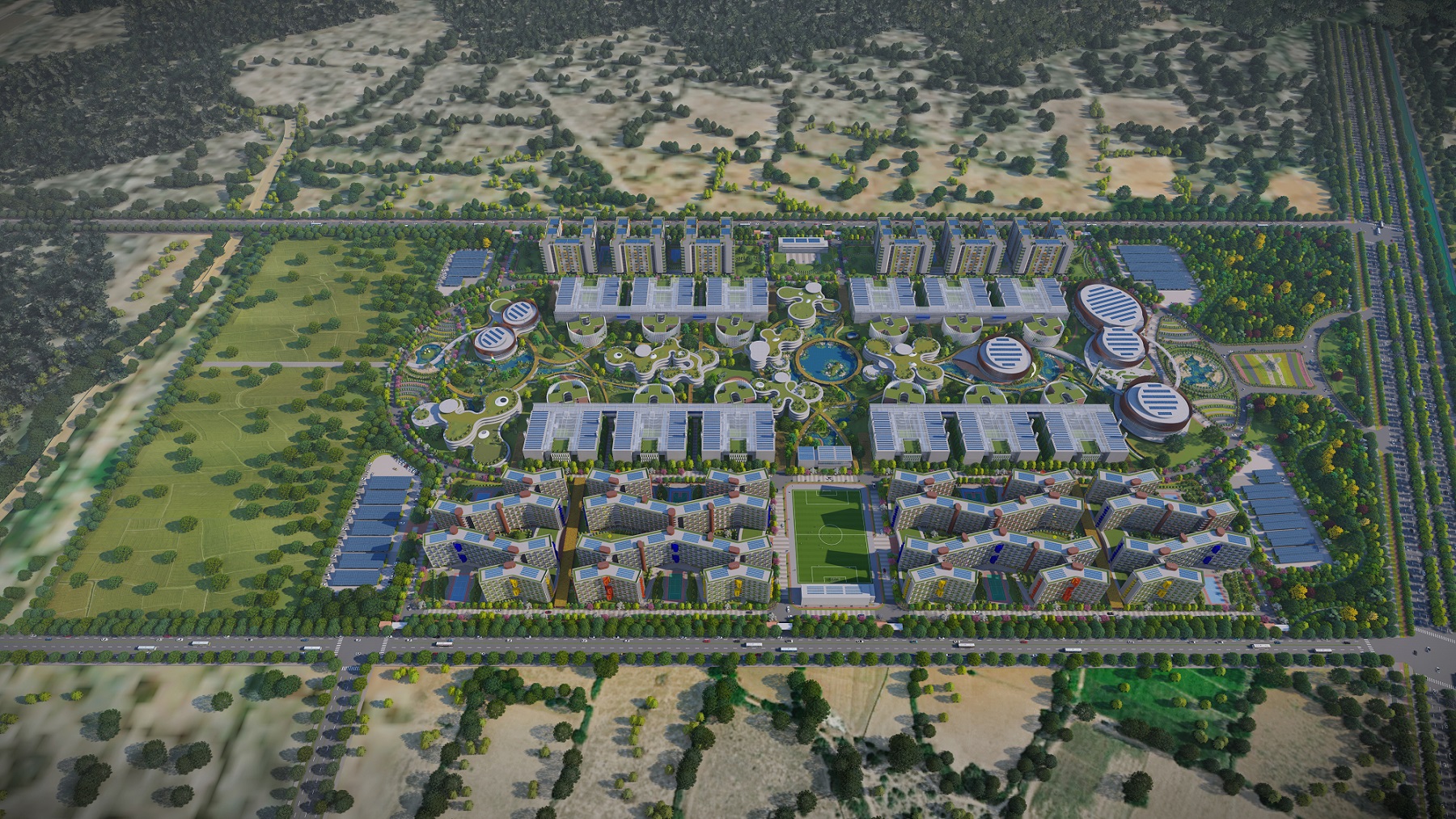
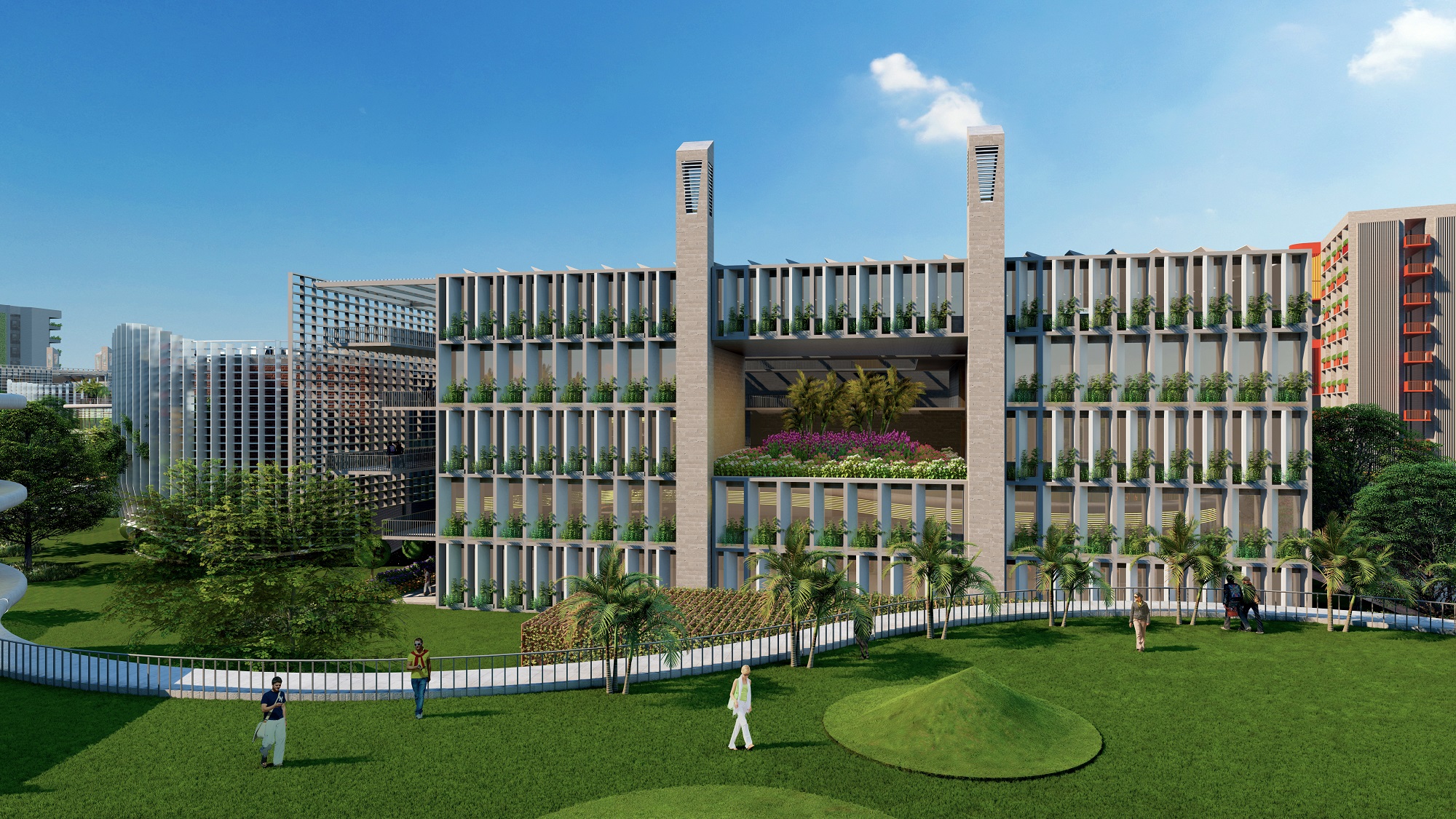
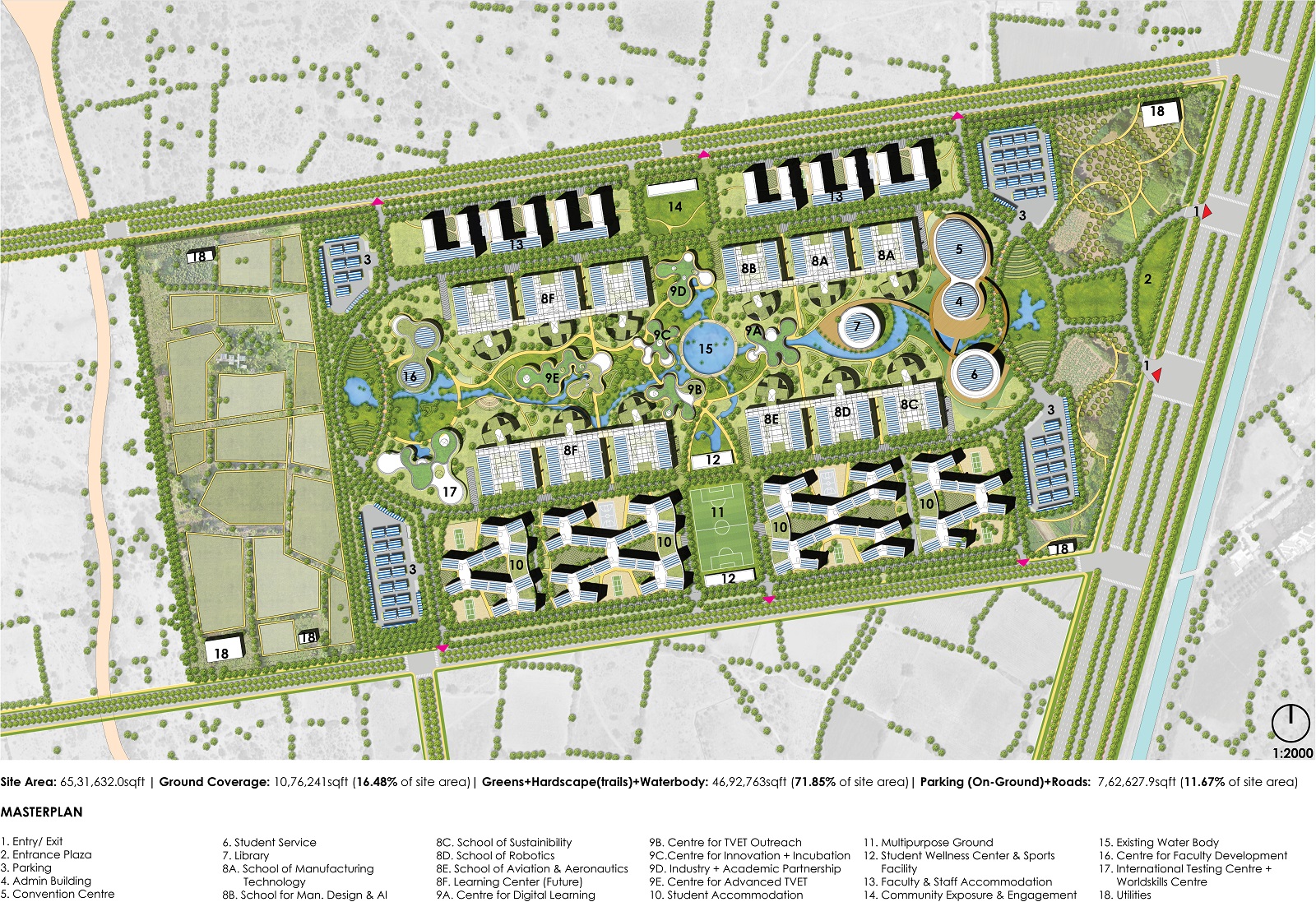
The campus is anchored by a series of formal
academic blocks positioned along its periphery,
creating a defined architectural edge that
organizes the campus and provides a sense of
orientation and order. Much like the structured
precincts of historic learning centers, these
buildings embody discipline, rigor, and focus,
housing classrooms, laboratories, administrative
spaces, and other core academic functions. The
arrangement also creates protected internal
zones within the campus, allowing the academic
environment to unfold inwards as a cohesive
and immersive landscape dedicated to learning.

The Fluid Commons: A Core for Collaboration, Exchange, and Creativity

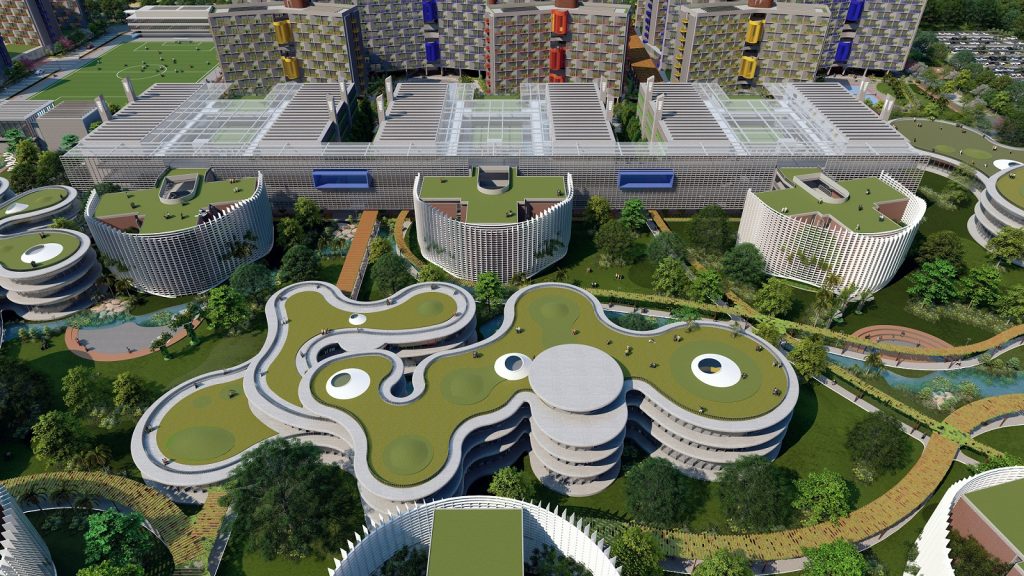
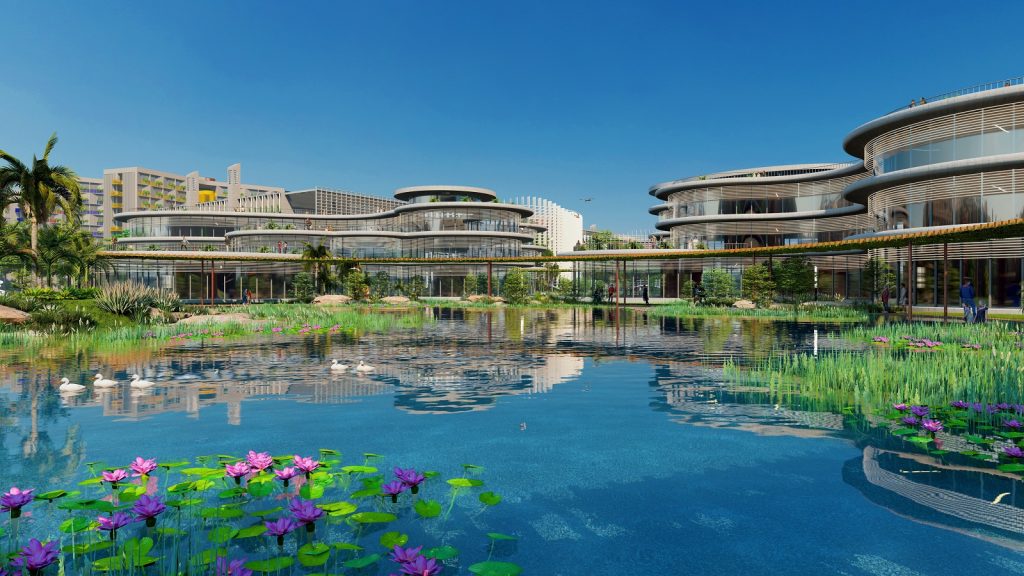
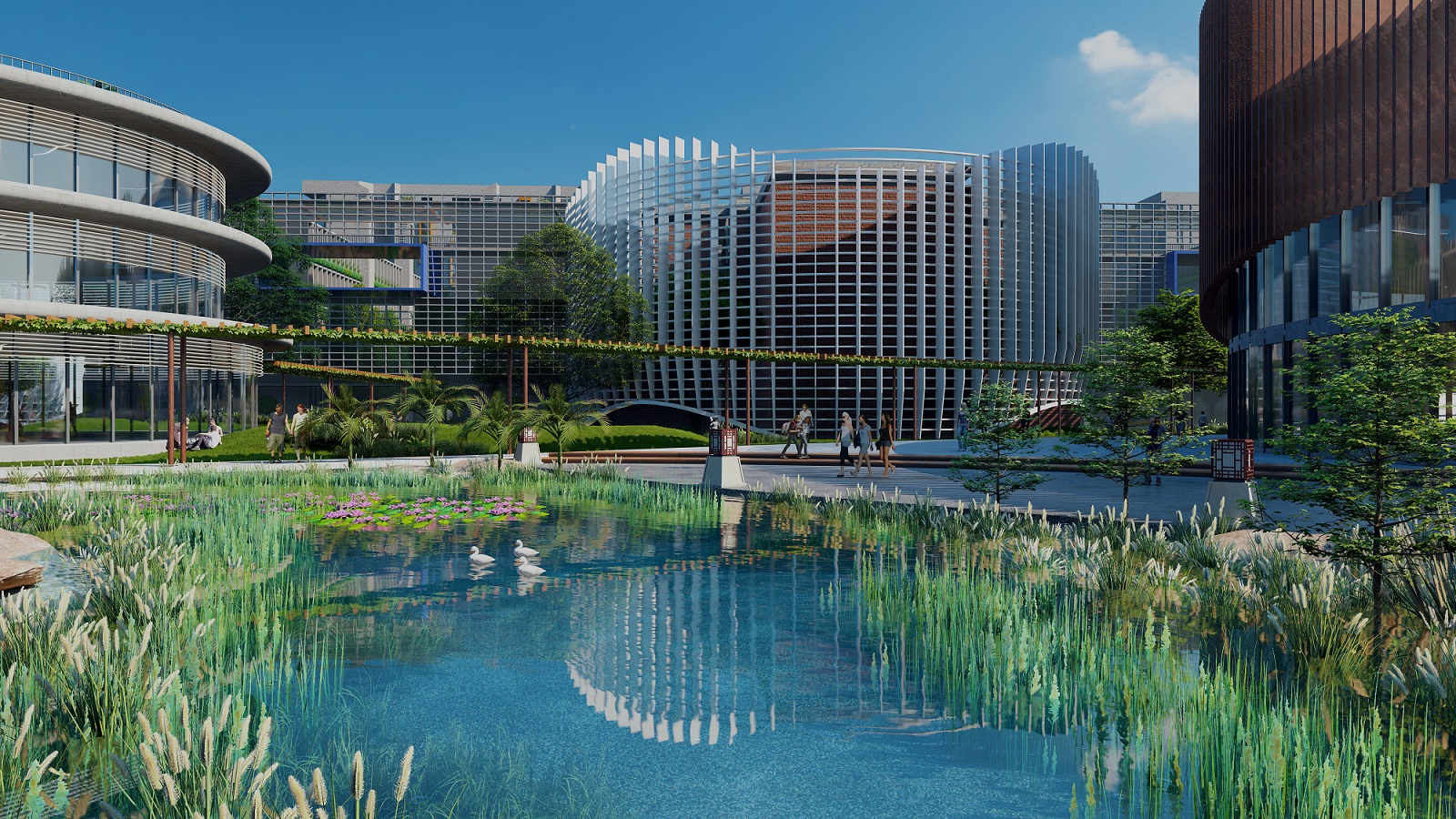
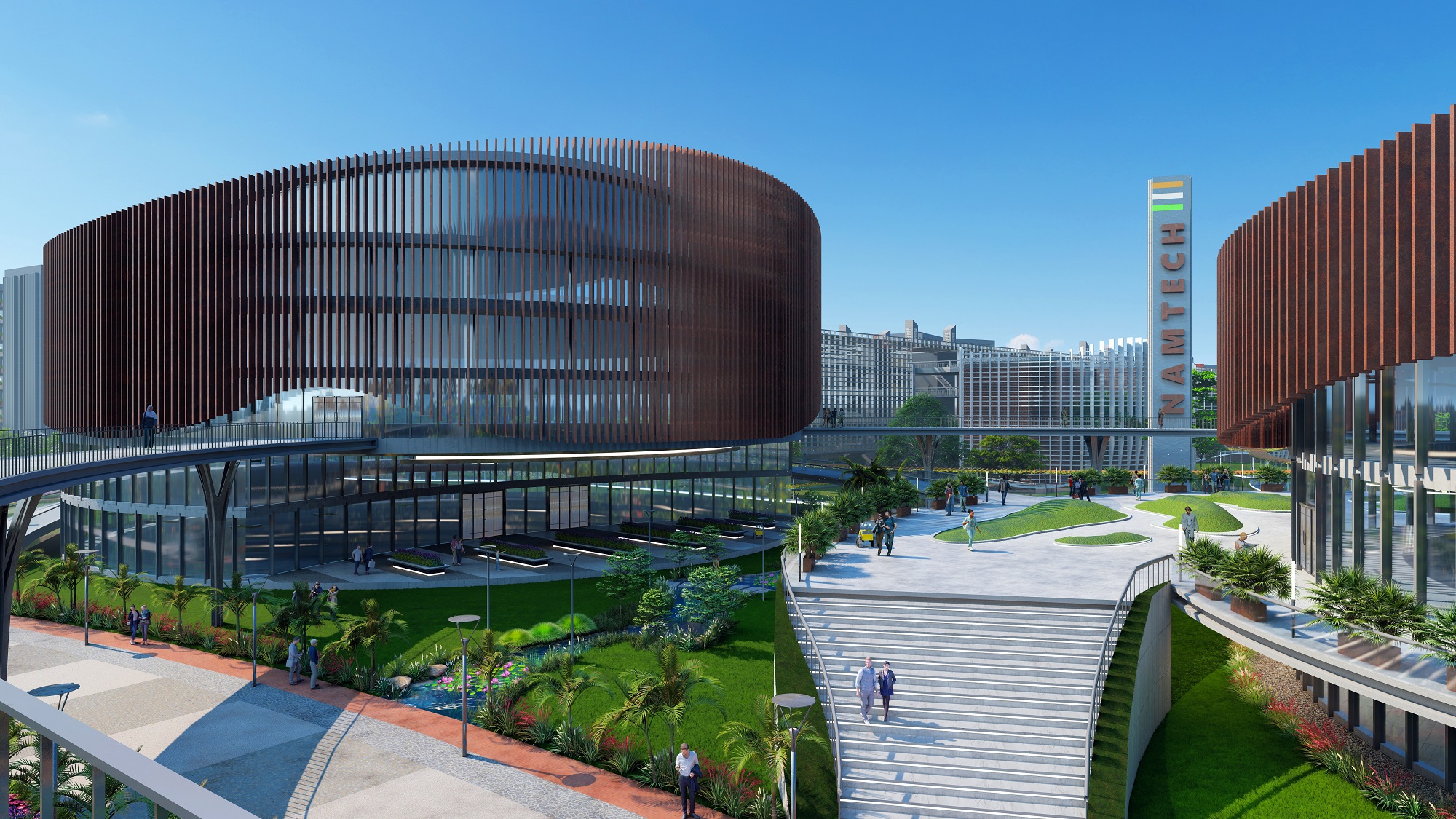
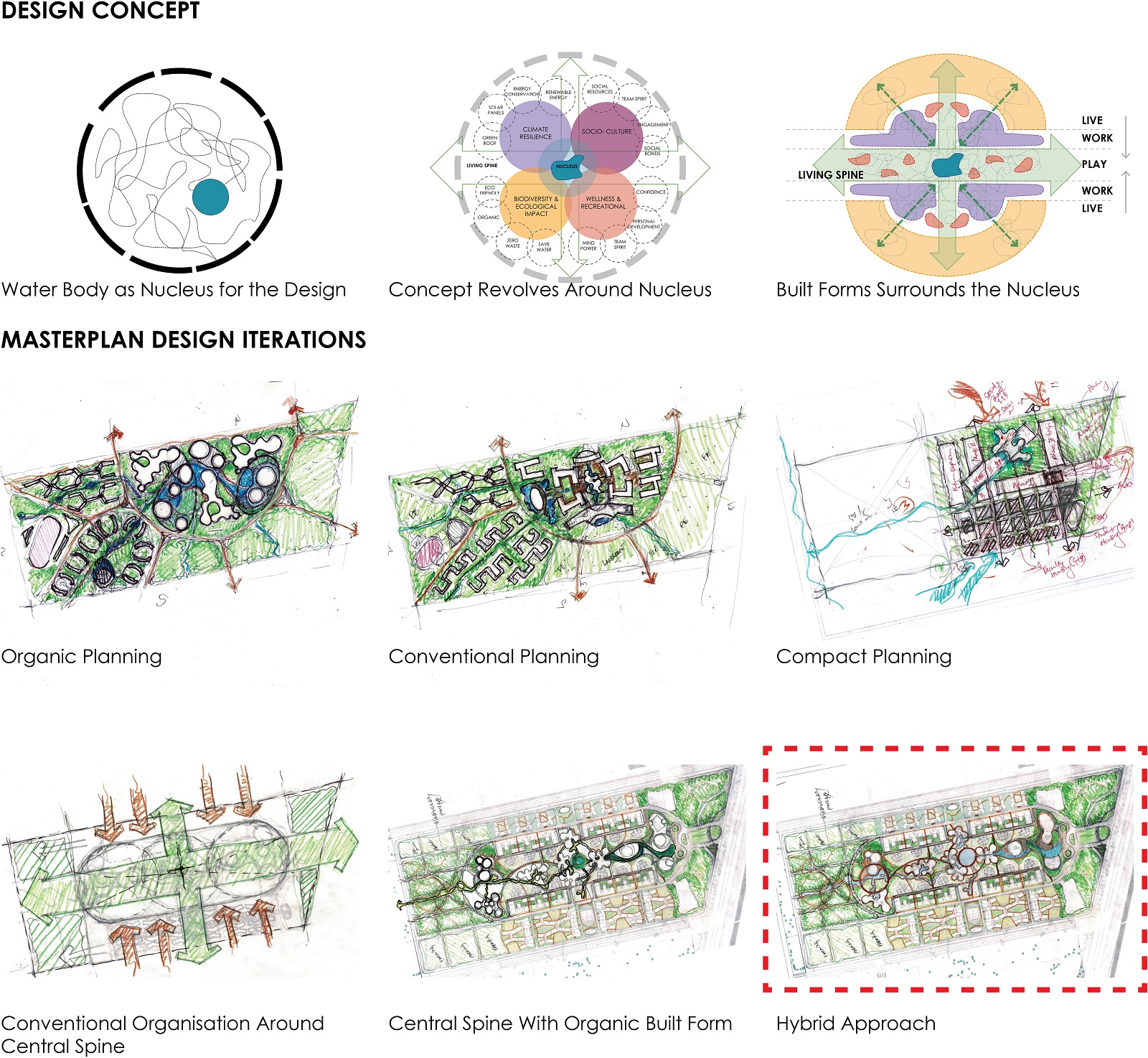
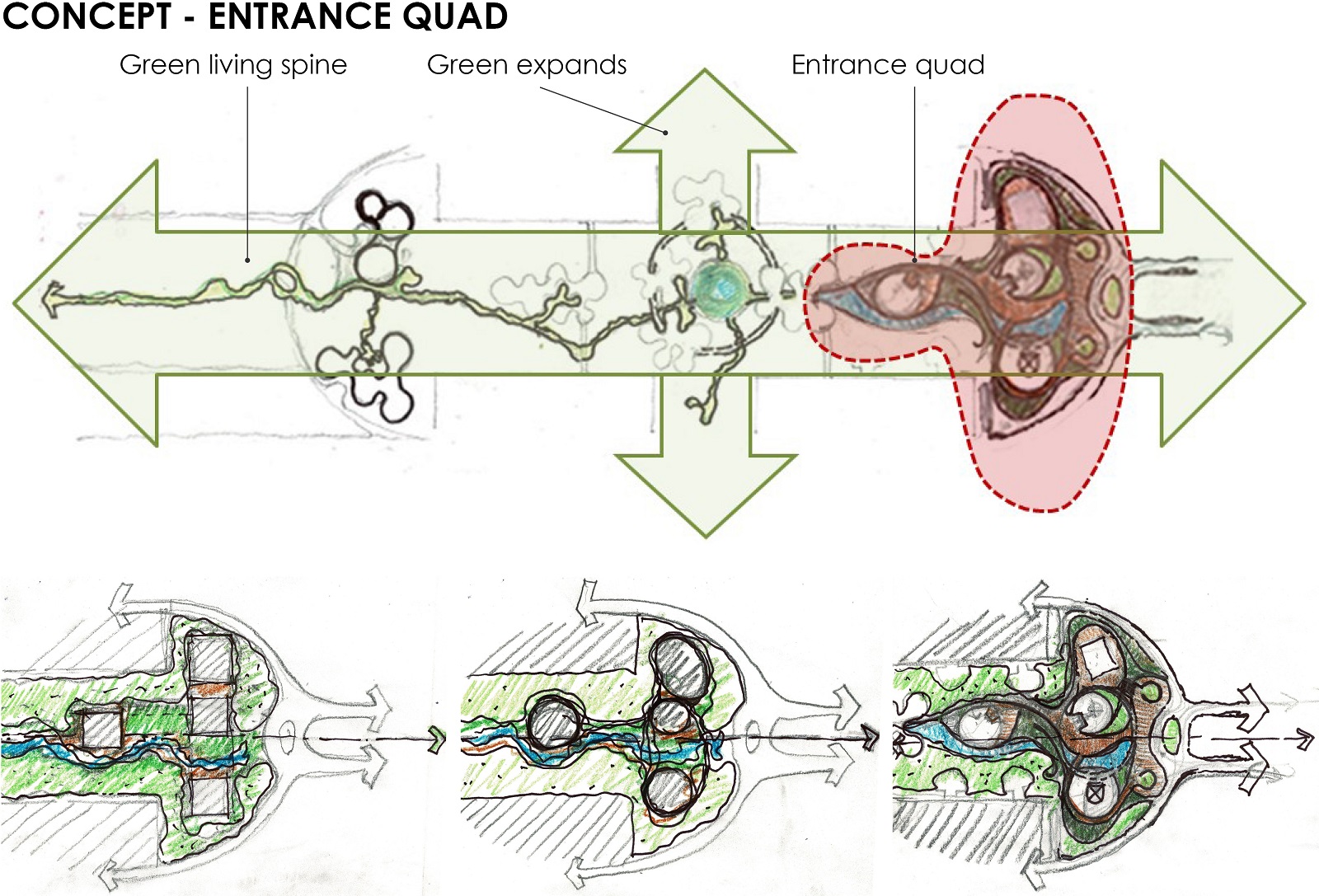
Contrasting the structured perimeter, the heart of the campus is conceived as an organic and evolving core composed of fluid, amoeba-like built forms. Inspired by the meandering nature of waterways and the intricate networks of traditional bazaar streets, this central zone introduces a spatial language that is dynamic, informal, and adaptive. The organic building forms create a series of interconnected indoor and outdoor spaces that encourage spontaneous encounters and interdisciplinary collaboration. Fluid geometry encourages exploration and movement, dissolving rigid boundaries between architecture and landscape, to create a campus environment that feels open, inclusive, and vibrant.

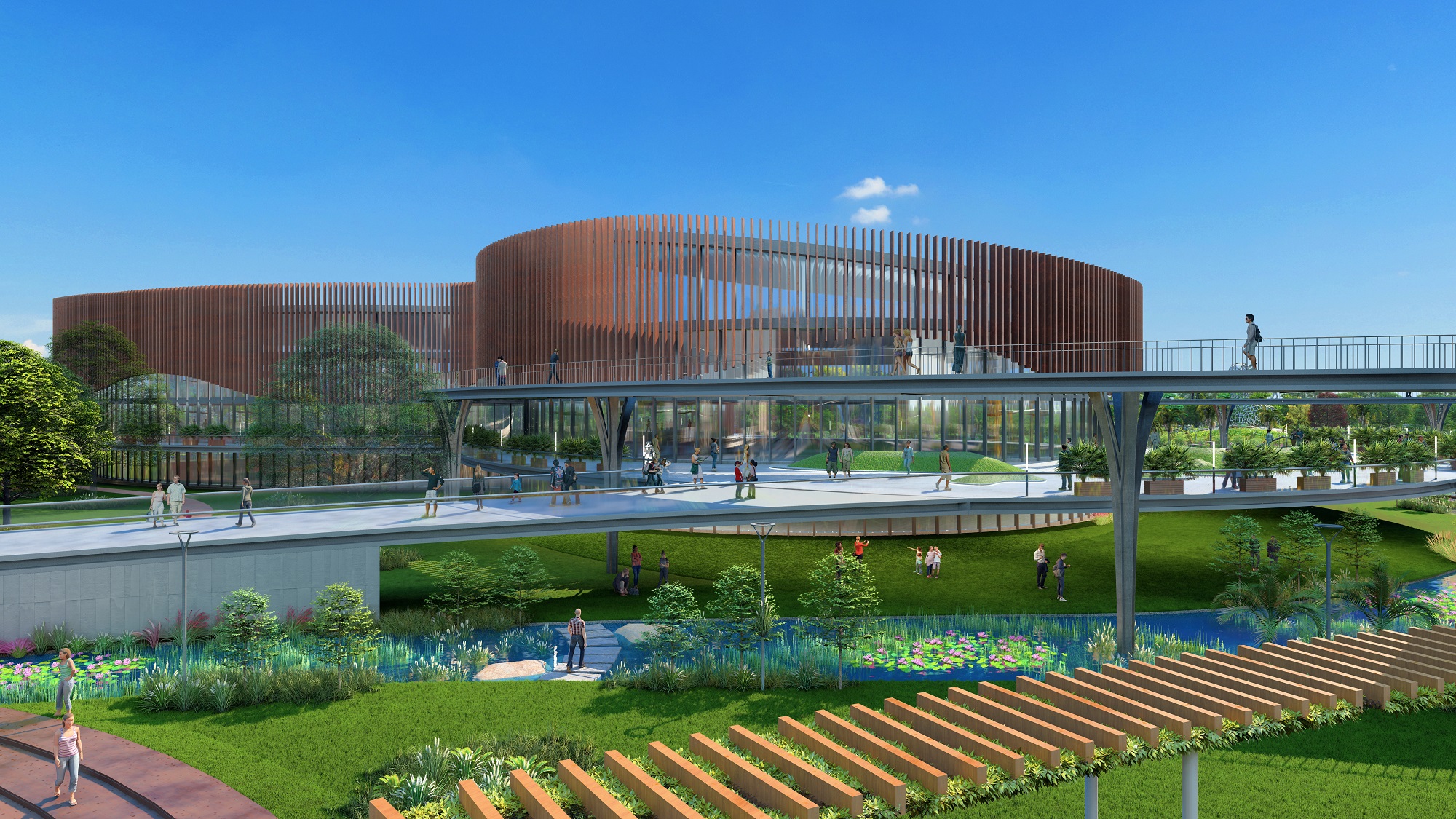
A network of winding pathways stitches together the
structured periphery and the fluid core, creating a
continuous spatial journey across the campus. These
meandering routes are designed not only as
circulation corridors but as experiential landscapes
where learning happens through interaction and
exploration. Along these pathways, shaded courts,
landscaped terraces, and gathering nodes provide
opportunities for pause, reflection, and informal
exchange.

Integrated Environmental Systems for a Sustainable Campus

The campus masterplan is conceived as a walkable, environmentally responsive framework that integrates ecological systems with everyday campus life. Pedestrian movement is prioritized within the central precinct, minimizing vehicular access and creating shaded routes that encourage interaction and outdoor learning. A central waterbody along the primary axis functions as both a visual and ecological anchor, harvesting rainwater and supporting irrigation across the campus.

Sustainability strategies include a district cooling
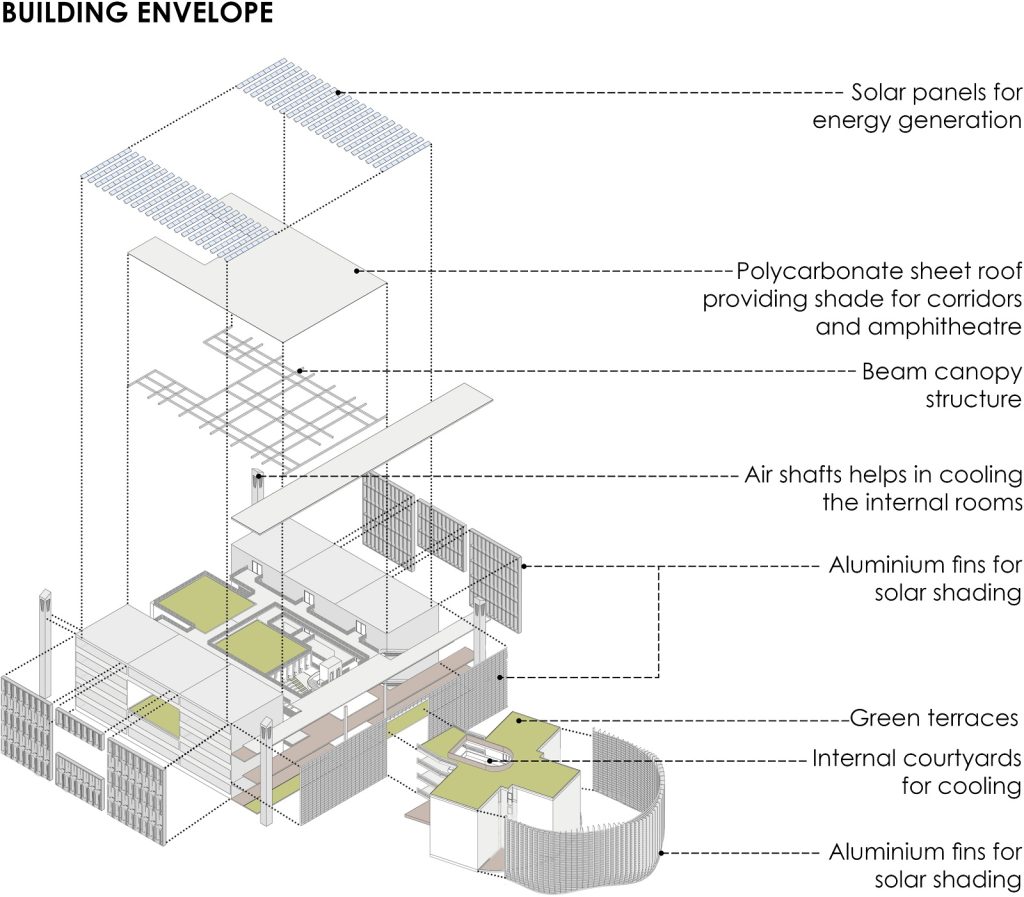
system, solar photovoltaic installations, and greywater recycling to reduce energy use and freshwater demand. Urban farming zones, native planting, and a coherent signage and wayfinding system further enhance biodiversity, experiential learning, and intuitive navigation across the campus.

A Living Landscape of Knowledge, Interaction, and Discovery

The NAMTECH campus is envisioned not simply as an assemblage of buildings but as a
vibrant academic landscape where architecture, open spaces, and human interaction
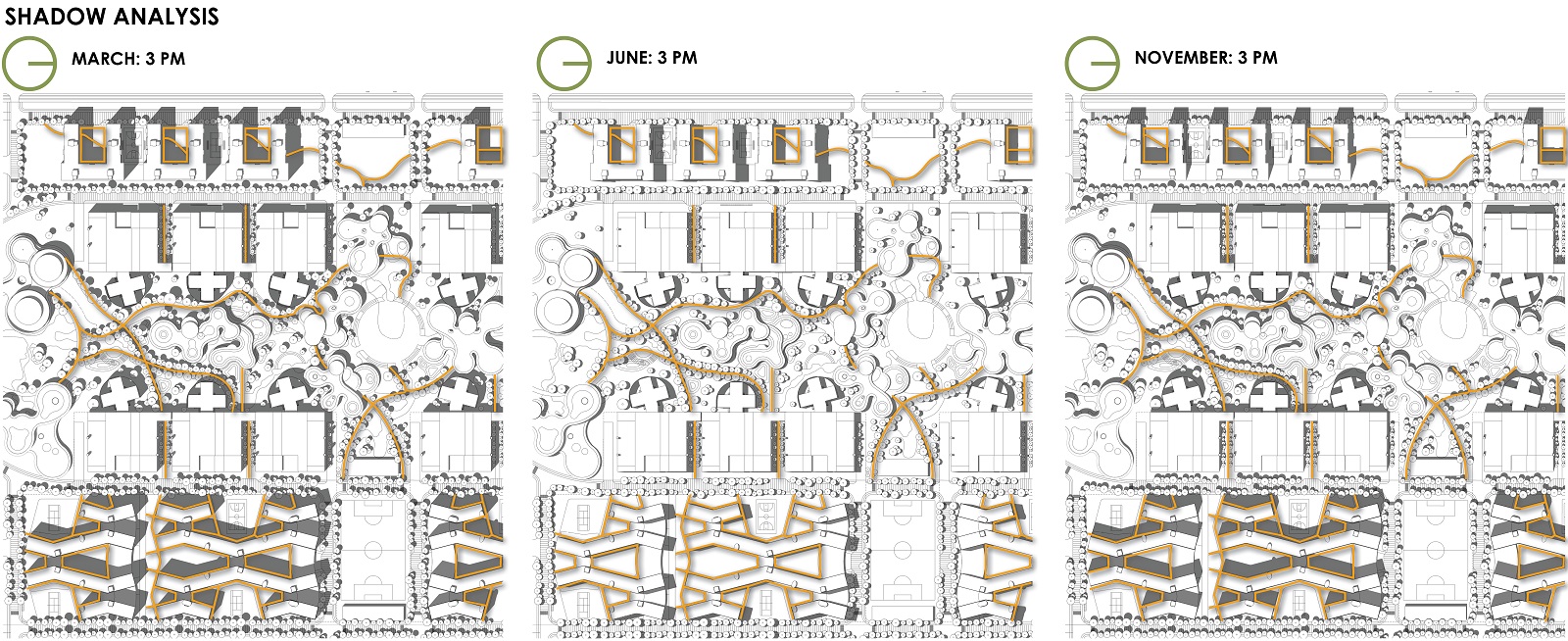
collectively shape the learning environment. Optimum orientation, landscape integration, and
passive design principles establish a sustainable and resilient framework for long-term
growth, creating a future-ready academic environment that remains deeply connected to its
cultural and environmental context.

Rooted in the timeless ethos of the Gurukul while responding to the needs of contemporary
academia, the campus becomes a dynamic setting where knowledge is not only imparted
but continuously created, shared, and evolved.

"A contemporary campus rooted in India’s ancient tradition of learning through dialogue, observation, and shared experience."

Related Projects

By Expertise

Commercial + Corporate + WorkPlace

Industrial

Civic + Culture + Museum

Sports + Rec. + Entertainment

Healthcare + Science Technology

Township + Neighborhood Design

Planning + Urban Design + Smart Cities

Residential

Transportation

Tourism

Education

Mix Use

Waterfront

Cart Details