Sustainability Is Not a Feature.
It Is a Responsibility.
By Ar. Jayesh Hariyani, Founding Director, Senior Principal
Sustainability is often reduced to metrics—kilowatts saved, litres harvested, points achieved. But architecture does not exist in spreadsheets. It exists in climate, culture, and community.
At INI Design Studio, sustainability is not a certification strategy. It is a design ethic rooted in responsibility toward ecology, economy, and society.
Redefining Sustainability Beyond Compliance
India’s urban condition is evolving rapidly—heat stress, water scarcity, congestion, ecological fragmentation. Traditional Development Control Regulations and prescriptive codes are unable to address emerging realities such as urban heat island mitigation, microclimate planning, walkability, and net-zero aspirations.
Sustainability, therefore, must shift from compliance-based design to performance-based thinking.
At INI, we begin with first principles:
01
How does the building respond to its climate?
02
How does the master plan reduce mobility demand?
03
How does the public realm improve thermal comfort?
04
How does the development remain resilient over 50 years?
These questions precede form-making.
Climate-Responsive Architecture as Baseline Practice
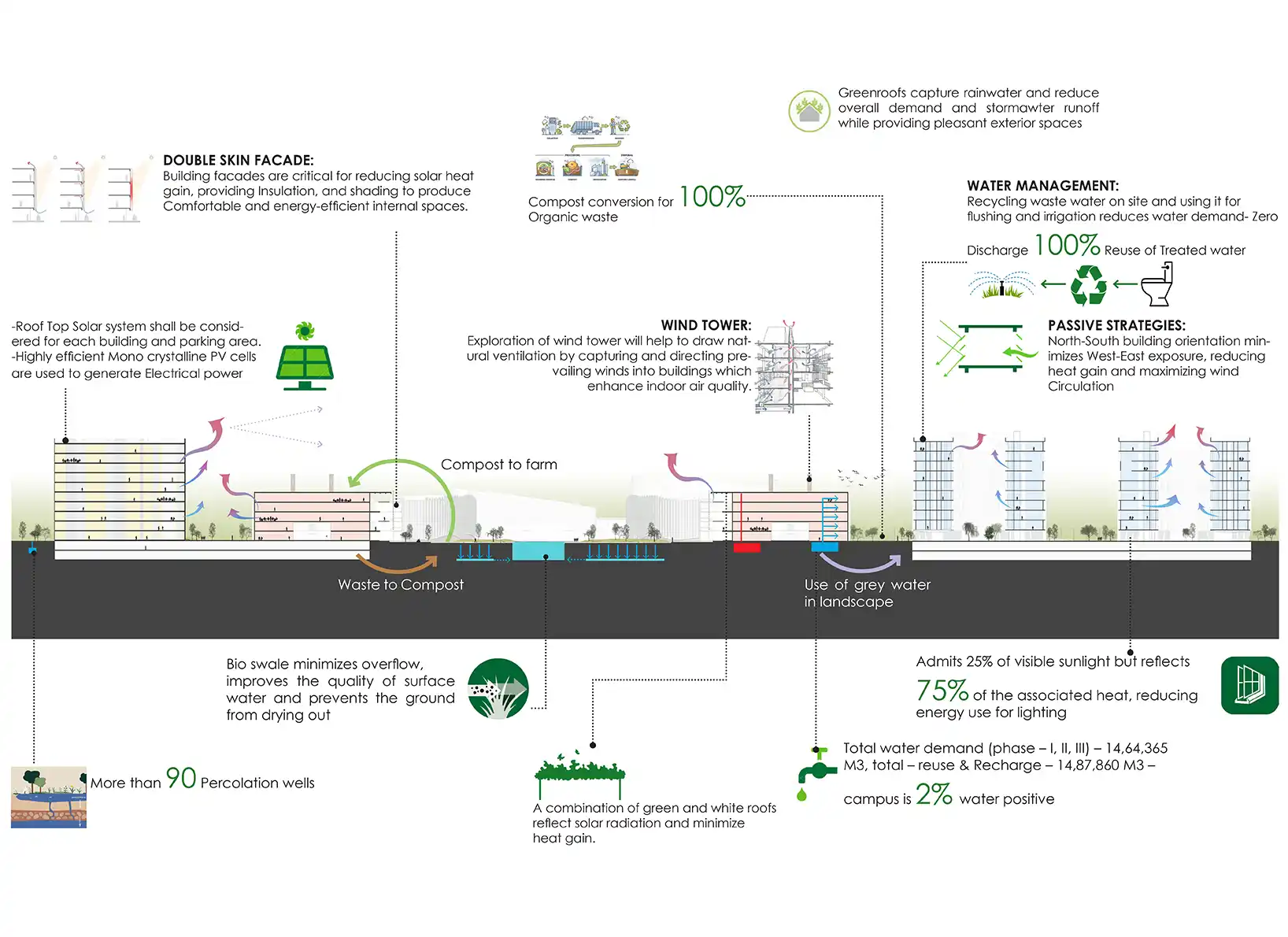
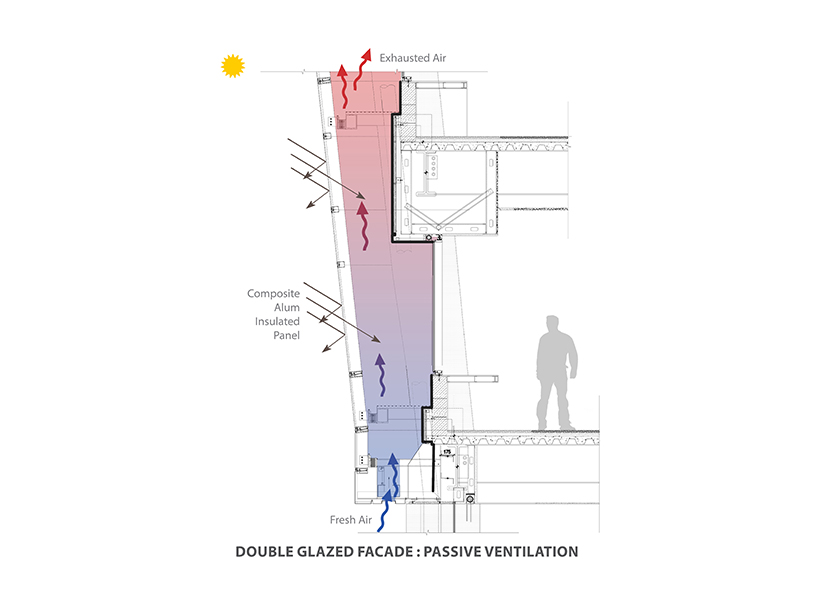
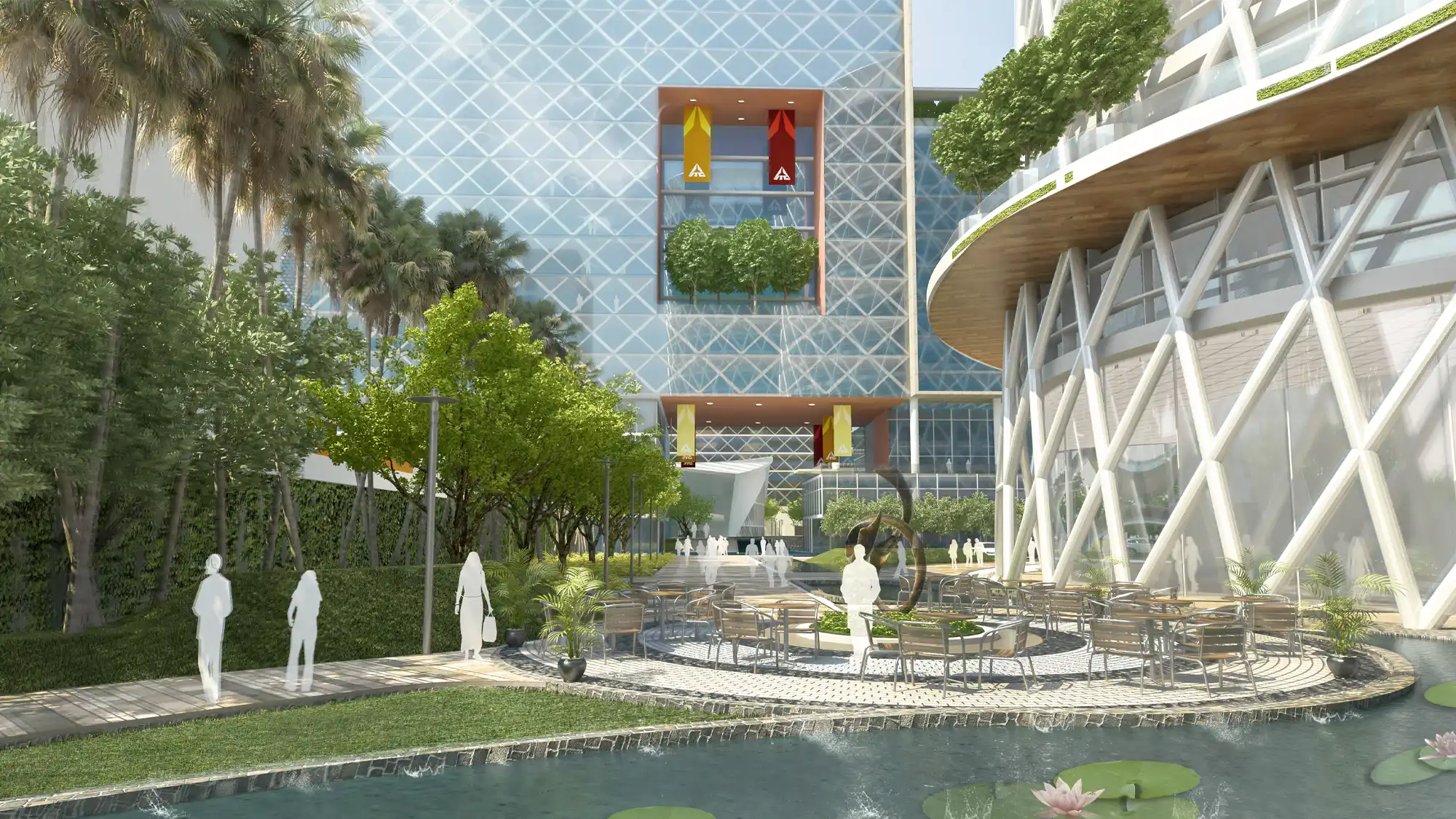
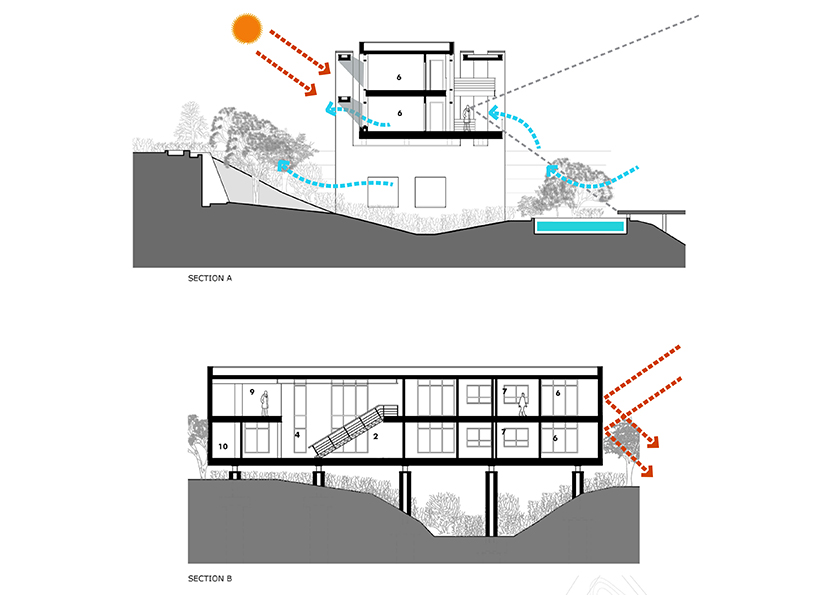
Shows double-skin façade and efficient design strategies. INI’s work reinterprets these principles using contemporary tools:
01
Solar orientation and facade calibration
02
Passive cooling strategies
03
Optimized glazing ratios
04
Landscape as thermal regulator
05
High-performance building envelopes
Leadership in Sustainability
Our engagement with the Indian Green Building Council (IGBC) and collaboration with the U.S. Green Building Council (USGBC). has not been peripheral—it has been formative.
Through leadership roles and advisory participation, we have contributed to:
Sustainability as Value Creation
Often, sustainability is seen as cost escalation. In reality, when integrated at concept stage, it becomes a value multiplier. For users and institutions, sustainability delivers:
1. Lower Lifecycle Costs
Reduced energy demand, water reuse systems, and durable material selection decrease operational expenditure over decades.
2. Improved Human Well-being
Daylight optimization, thermal comfort, indoor air quality, and walkable environments directly enhance productivity and health.
3. Institutional Credibility
Corporate and Educational campuses, healthcare institutions, and civic buildings signal responsibility and future-readiness through sustainable performance.
4. Asset Longevity
Buildings designed with climate resilience and adaptability retain relevance longer, protecting investment. Sustainability, therefore, is not environmental idealism—it is risk mitigation and value protection.
Urban Sustainability: The Larger Imperative
Buildings alone cannot solve climate stress. Urban form determines energy demand, mobility patterns, and microclimate.
INI’s planning work integrates:
A well-planned community or city reduces the need for excessive mechanical intervention. Urban sustainability is about reducing systemic demand, not merely greening individual structures.
From Net-Zero to Regenerative Thinking
India’s net-zero ambitions demand more than symbolic gestures. They require:
01
Early-stage performance simulation
02
Carbon accounting and lifecycle analysis
03
Renewable energy integration
04
Water-positive strategies
05
Landscape-led cooling systems